

Best Air Purifiers for Wildfire Smoke
Wildfire smoke can seriously harm your indoor air quality. It carries tiny particles that can travel deep into your lungs, so protecting your home from this kind of pollution matters. This guide explains why air purifiers help, what to look for, and how to get the most out of one during wildfire season.
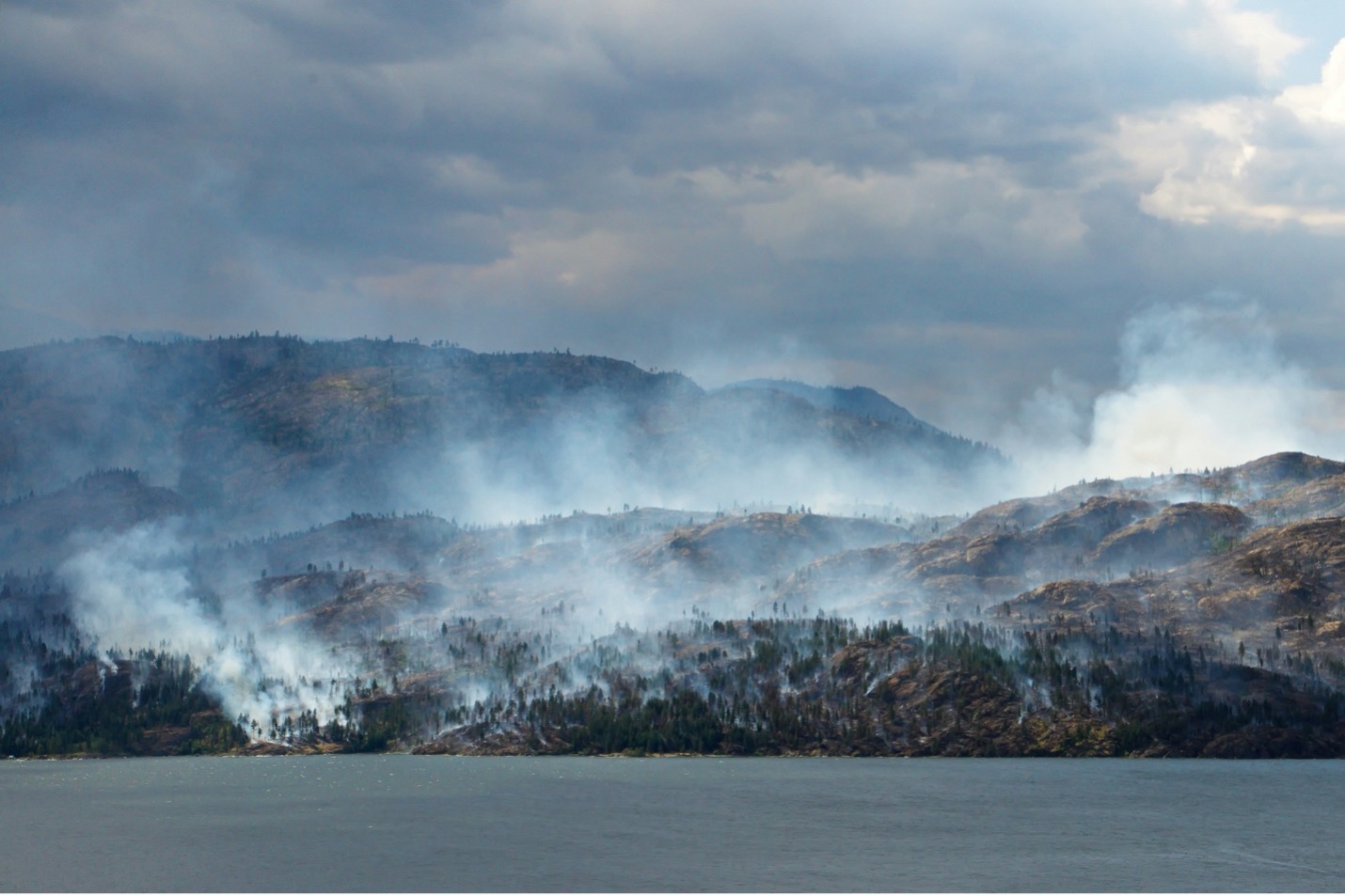
Photo by kerry rawlinson (https://unsplash.com/@kerryraw)
Why you need an air purifier for wildfire smoke
Wildfires create both dangerous gases and fine particles. The gases usually clear quickly and are mainly a risk close to the fire itself. If you are in an area with high levels of wildfire gases, the real issue is not indoor air quality -- it's getting to safety quickly.
Smoke particles are a different story. Often called PM2.5, and ultrafine particles, these particles are small enough to travel hundreds of kilometres and to reach deep into your lungs once inhaled, which can lead to respiratory problems and other health concerns.
An air purifier built for wildfire smoke can effectively filter out these particles, making it a smart investment for your home. As wildfires become more frequent across Canada, having a reliable purifier matters more than ever. A few reasons to consider one:
- Reduces harmful airborne particles
- Improves indoor air quality
- Helps protect respiratory health
A good purifier also cuts down on smoke-related odours, which is especially welcome if you live in a smoke-affected area. Cleaner indoor air means a healthier home for you and your family.
Whole-house vs. portable systems
There are two basic types of residential air purifiers: whole-house systems and portable, room-based systems.
Whole-house systems
These integrate directly into your existing furnace and filter all the air circulating through your rooms and ductwork. They can include polarized media air cleaners, HEPA filters, activated carbon filters, ultraviolet lights, and other technologies.
Portable systems
These clean the air in the specific room they are placed in. They can include pre-filters, HEPA filters, activated carbon filters, ultraviolet lights, and other technologies.
With either system, sizing matters. Is the airflow strong enough for the room? Is the activated carbon stage large enough to capture VOCs? Is the UV light output strong enough to make a difference? Getting these details right is what separates an effective system from an underpowered one.
How wildfire smoke affects indoor air quality
Wildfire smoke brings fine and ultrafine particles into your home. These particles are usually invisible but in high concentrations lead to a visible haze. They can have serious health effects, and they can linger in the air long after a wildfire has been put out.
Indoor air quality can drop quickly once outdoor smoke makes its way inside. Beyond the health impact, poor air quality also reduces comfort indoors, which is reason enough to address it.
Air purifiers can meaningfully improve indoor air quality, especially during wildfire season, helping you maintain a clean and healthy home.
Key features to look for in an air purifier for wildfire smoke
Choosing the right air purifier for wildfire smoke starts with understanding a few key features. Filter type matters most. HEPA filters are designed to capture fine particles like those found in smoke, which makes them essential.
HEPA is one of the most efficient filter types available for residential use. That said, HEPA filters take a fair amount of energy to push air through, and they can load up with dust quickly.
An alternative is a polarized media air filter, on its own or paired with a HEPA filter. Because a polarized media filter loads particles across the full depth of the media and uses electrostatic attraction to catch fine and ultrafine particles, it can replace a HEPA filter or extend its life, while reducing the overall energy needed to clean the air.
Another key factor is the Clean Air Delivery Rate, or CADR. This rating shows how efficiently a purifier cleans the air in a specific room size, with higher CADR values meaning better performance against wildfire smoke.
Smart sensors are also worth considering, since they let a purifier automatically adjust its settings based on real-time air quality readings.
HEPA filter
Or a polarized media filter as an alternative or complement
High CADR
Matched to your room size
Smart sensors
Automatic adjustment to air quality
Energy efficiency and noise level are also worth considering, especially for units that will run in living spaces. Some models offer quiet modes or energy-saving settings that make them better suited to continuous use.
How to maximize your air purifier's effectiveness during wildfire season
Placement makes a real difference. Position your purifier in a central spot within the room to allow for the best air circulation and efficiency.
Regular maintenance matters just as much. Clean or replace filters as needed to keep performance up; a well-maintained purifier lasts longer and works better.
A few more tips to get the most out of your purifier:
- Keep windows and doors closed
- Run the purifier continuously during peak smoke times
- Avoid blocking airflow around the unit
DIY solutions and additional tips for cleaner air during wildfire season
Improving your home's air quality during wildfire season does not always require expensive equipment. A few simple steps can help keep the air cleaner. Start by sealing windows and doors with weather stripping to reduce how much smoke gets in.
Using fans to improve air circulation within rooms can also help move purified air throughout your space.
Other helpful tips include:
- Placing damp towels at entry points
- Using houseplants that support air purification
- Staying informed about air quality forecasts
Frequently asked questions
Can air purifiers remove all wildfire smoke particles?
They are effective, but their effectiveness varies by product and manufacturer. Units with more advanced technology and such as HEPA or polarized media tend to perform better.
How often should I replace air purifier filters during a wildfire?
Check your purifier's manual, but in general, plan to change filters more often during high-smoke seasons to keep performance at its best.
What is the ideal placement for an air purifier?
Place it in a central location within the room, and make sure it is unobstructed so air can flow freely around it.
Do all air purifiers work for smoke-related pollutants?
Not all models are built the same. Look for ones specifically designed to handle smoke and its associated odours.
Final thoughts: choosing the best air purifier for wildfire smoke
Choosing the right air purifier for wildfire smoke comes down to your specific needs. Prioritize models with strong HEPA filtration and polarized media. Also pay attention to CADR ratings to make sure the unit fits your space. Keeping up with filter changes is essential for long-term effectiveness.
A whole-house system is the most thorough way to clean the air in every room. Portable room purifiers are a great addition for rooms where you spend a lot of time, or during periods of especially heavy outdoor wildfire smoke.
Breathe easier this wildfire season
SolaceAir's whole-house polarized media air cleaners and HEPA filters are built to handle fine smoke particles throughout your entire home.
See Polarized Media Air Cleaners See Whole-House HEPA Air Cleaners